|

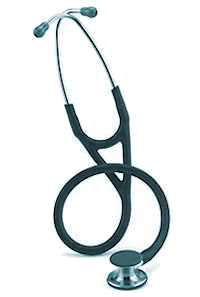 Physician
assistants (PAs) practice medicine under the supervision of physicians and
surgeons. They should not be confused with medical assistants, who perform
routine clinical and clerical tasks. PAs are formally trained to provide
diagnostic, therapeutic, and preventive health care services, as delegated
by a physician. Working as members of the health care team, they take
medical histories, examine and treat patients, order and interpret
laboratory tests and x-rays, and make diagnoses. They also treat minor
injuries, by suturing, splinting, and casting. Physician
assistants (PAs) practice medicine under the supervision of physicians and
surgeons. They should not be confused with medical assistants, who perform
routine clinical and clerical tasks. PAs are formally trained to provide
diagnostic, therapeutic, and preventive health care services, as delegated
by a physician. Working as members of the health care team, they take
medical histories, examine and treat patients, order and interpret
laboratory tests and x-rays, and make diagnoses. They also treat minor
injuries, by suturing, splinting, and casting.
PAs record
progress notes, instruct and counsel patients, and order or carry out
therapy. In 48 States and the District of Columbia, physician assistants
may prescribe medications. PAs also may have managerial duties. Some order
medical supplies or equipment and supervise technicians and assistants.
Physician assistants work under the supervision of a
physician. However, PAs may be the principal care providers in rural or
inner city clinics, where a physician is present for only 1 or 2 days each
week. In such cases, the PA confers with the supervising physician and
other medical professionals as needed and as required by law. PAs also may
make house calls or go to hospitals and nursing care facilities to check on
patients, after which they report back to the physician.
The duties of physician assistants are determined by the
supervising physician and by State law. Aspiring PAs should investigate the
laws and regulations in the States in which they wish to practice.
Many PAs work in primary care specialties, such as general
internal medicine, pediatrics, and family medicine. Other specialty areas
include general and thoracic surgery, emergency medicine, orthopedics, and
geriatrics. PAs specializing in surgery provide preoperative and postoperative
care and may work as first or second assistants during major surgery.
Note: Some resources in this section are provided by the US
Department of Labor, Bureau of Labor
Statistics.
|
|