|
|

|
|

|

Preparation
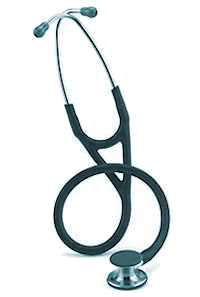 All states require that PAs complete an accredited, formal education program
and pass a National exam to obtain a license. PA programs usually last at
least 2 years and are full time. Most programs are
in schools of allied health, academic health centers, medical schools, or
4-year colleges; a few are in community colleges, the military, or
hospitals. Many accredited PA programs have clinical teaching affiliations
with medical schools. All states require that PAs complete an accredited, formal education program
and pass a National exam to obtain a license. PA programs usually last at
least 2 years and are full time. Most programs are
in schools of allied health, academic health centers, medical schools, or
4-year colleges; a few are in community colleges, the military, or
hospitals. Many accredited PA programs have clinical teaching affiliations
with medical schools.
About 136 education programs for physician assistants are accredited or
provisionally accredited by the American Academy of Physician Assistants.
More than 90 of these programs offered the option of a master's degree, and
the rest offered either a bachelor's degree or an associate's degree. Most
applicants to PA educational programs already have a bachelor's degree.
Admission requirements vary, but many programs require 2 years of college
and some work experience in the health care field. Students should take
courses in biology, English, chemistry, mathematics, psychology, and the
social sciences. Many PAs have prior experience as registered nurses, while
others come from varied backgrounds, including military corpsman/medics and
allied health occupations such as respiratory therapists, physical
therapists, and emergency medical technicians and paramedics.
PA education includes classroom instruction in biochemistry, pathology,
human anatomy, physiology, microbiology, clinical pharmacology, clinical
medicine, geriatric and home health care, disease prevention, and medical
ethics. Students obtain supervised clinical training in several areas, including
family medicine, internal medicine, surgery, prenatal care and gynecology,
geriatrics, emergency medicine, psychiatry, and pediatrics. Sometimes, PA
students serve one or more of these "rotations" under the
supervision of a physician who is seeking to hire a PA. The rotations often
lead to permanent employment.
All States and the District of Columbia have legislation governing the
qualifications or practice of physician assistants. All jurisdictions
require physician assistants to pass the Physician Assistant National
Certifying Examination, administered by the National Commission on
Certification of Physician Assistants (NCCPA) and open only to graduates of
accredited PA education programs. Only those successfully completing the
examination may use the credential "Physician
Assistant-Certified." In order to remain certified, PAs must complete
100 hours of continuing medical education every 2 years. Every 6 years,
they must pass a recertification examination or complete an alternative program
combining learning experiences and a take-home examination.
Some PAs pursue additional education in a specialty such as surgery,
neonatology, or emergency medicine. PA postgraduate educational programs
are available in areas such as internal medicine, rural primary care,
emergency medicine, surgery, pediatrics, neonatology, and occupational
medicine. Candidates must be graduates of an accredited program and be
certified by the NCCPA.
Physician assistants need leadership skills, self-confidence, and emotional
stability. They must be willing to continue studying throughout their
career to keep up with medical advances.
As they attain greater clinical knowledge and experience, PAs can advance
to added responsibilities and higher earnings. However, by the very nature
of the profession, clinically practicing PAs always are supervised by
physicians.
 Accredited
Programs Accredited
Programs
Accreditation represents the highest standard of achievement
for veterinary medical education in the United States. Institutions that
earn accreditation confirm their commitment to quality and continuous
improvement through a rigorous and comprehensive peer review. All PA
educational programs are accredited by one body, the Accreditation Review Commission on Education
for the Physician Assistant. Be sure to check with the
Commission to confirm accreditation prior to enrolling in a program.
Note: Some resources
in this section are provided by the US Department of Labor, Bureau of Labor Statistics.
|
|